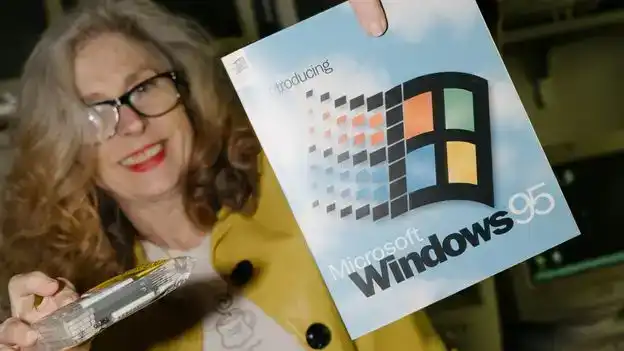
As technology marches on, some people get trapped using decades-old software and devices. Here's a look inside the strange, stubborn world of obsolete Windows machines.
If the other layers of security are in place, the risk can be managed.
The problem you describe is from things like that XP user running as admin, a failure of security layering.
Security isn’t just having all the updates, which is the implication statements like this makes.
I have XP VM’s with no service packs that connect to the internet. They’re NAT’ed in VMware to an isolated subnet that has its own firewall. No MS ports are permitted out of that subnet other than RDP, and that only from specific IP addresses. There’s more, but even just this addresses most security concerns.
This is used for testing specific software that only runs on XP.
It’s easier to write “obsolete” than it is “single purpose computer often loaded with technical debt and risk”. A computer is meant as a general purpose device. If it can only do one, it’s mostly obsolete anyhow
That depends on how many things you NEED it to do. My kitchen knife is not more obsolete than my air fryer just because it does fewer things.
And this is a misuse of the term technical debt. Technical debt does not mean OLD. Finished software from the 80s that was complete and bug free has no technical debt. New software almost UNIVERSALLY has more technical debt than older software because nobody has cleaned up the first draft yet. A continuing, rolling package of spaghetti code, patches, unvetted dependencies, and jammed in features that are sold for subscription fee purposes rather than customer need is OVERFLOWING with it. That’s what “move fast and break things” MEANS.
Software is never without bugs. Baffling you’d say otherwise. And I was referring to the many situations where companies used outdated computer systems for many years even though it causes extra work for employees. Absolutely textbook tech debt.


If it still works for the purpose, it is NOT obsolete.
Stop fetishizing the new.
If it’s connecting to the Internet and not getting security updates, that’s probably not good.
So what you said is mostly true, but there are certainly people running windows XP thinking “I just check my email and read the news, this is fine”
Meh.
If the other layers of security are in place, the risk can be managed.
The problem you describe is from things like that XP user running as admin, a failure of security layering.
Security isn’t just having all the updates, which is the implication statements like this makes.
I have XP VM’s with no service packs that connect to the internet. They’re NAT’ed in VMware to an isolated subnet that has its own firewall. No MS ports are permitted out of that subnet other than RDP, and that only from specific IP addresses. There’s more, but even just this addresses most security concerns.
This is used for testing specific software that only runs on XP.
It’s hilarious that you think someone running XP on the internet knows anything about computer security.
totally.~
deleted by creator
If it is connected to the internet, and it is not actively receiving updates, it is not working for its purpose.
If it is airgapped from all networks, I agree with you completely.
Nightmare fuel, at this point. NOTHING but shiny updated firewalls connect to the net themselves.
It’s easier to write “obsolete” than it is “single purpose computer often loaded with technical debt and risk”. A computer is meant as a general purpose device. If it can only do one, it’s mostly obsolete anyhow
That depends on how many things you NEED it to do. My kitchen knife is not more obsolete than my air fryer just because it does fewer things.
And this is a misuse of the term technical debt. Technical debt does not mean OLD. Finished software from the 80s that was complete and bug free has no technical debt. New software almost UNIVERSALLY has more technical debt than older software because nobody has cleaned up the first draft yet. A continuing, rolling package of spaghetti code, patches, unvetted dependencies, and jammed in features that are sold for subscription fee purposes rather than customer need is OVERFLOWING with it. That’s what “move fast and break things” MEANS.
Your kitchen knife is not a computer.
Software is never without bugs. Baffling you’d say otherwise. And I was referring to the many situations where companies used outdated computer systems for many years even though it causes extra work for employees. Absolutely textbook tech debt.